
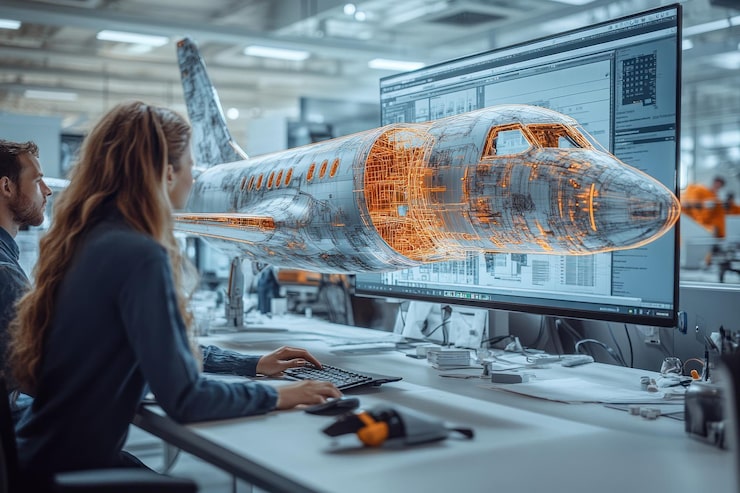
The aviation industry is rapidly evolving with new technologies that improve safety, efficiency, and innovation. Among the most transformative approaches is system modeling, a method that allows engineers to digitally simulate, analyze, and optimize complex aviation systems before they are physically built. This not only reduces costs and risks but also accelerates the pace of innovation. As digital tools become the backbone of aerospace engineering, understanding system modeling and its future applications has never been more important.
What Is System Modeling?
System modeling is a digital engineering process where complex systems, such as aircraft engines, avionics, and flight controls, are represented through mathematical and computational models. These models simulate real-world conditions, making it easier for engineers to evaluate performance, identify flaws, and optimize designs. Instead of relying solely on physical prototypes, aviation experts can use these simulations to create more accurate and reliable systems in less time.
Why System Modeling Matters in Aviation
The aviation industry deals with highly complex machines where every detail must work in harmony. Even a minor error can lead to costly consequences. System modeling provides solutions by:
- Reducing the need for repeated physical tests
- Improving design efficiency and accuracy
- Enhancing collaboration across engineering teams
- Ensuring regulatory compliance early in the design process
By embracing this approach, aerospace companies can deliver safer, more advanced aircraft while reducing time-to-market.

Key Benefits for Engineers and Manufacturers
System modeling brings a wide range of benefits to both engineers and manufacturers. Engineers gain the ability to simulate countless design scenarios in virtual environments, which provides deeper insights into system behavior. Manufacturers benefit from streamlined production, as validated digital models reduce rework and errors during physical construction. Additional benefits include:
- Cost savings through minimized trial-and-error testing
- Integration of different subsystems into a unified digital environment
- Faster innovation cycles with predictive analysis
- Clear communication of complex designs for stakeholders
The Role of Flight Simulator Setup
A practical application of system modeling can be seen in flight simulator setup. By creating virtual environments that replicate real-world flight conditions, system modeling allows engineers and pilots to test aircraft performance, train effectively, and anticipate challenges before they occur in actual operations. Flight simulators are now more realistic than ever, offering immersive experiences powered by advanced digital models. This not only supports pilot training but also helps test new aircraft systems safely.
Real-World Applications in Aerospace
System modeling is already widely used across the aerospace sector. For example, commercial airlines utilize it to design more fuel-efficient aircraft, while defense organizations rely on it to evaluate advanced avionics and stealth systems. Drone manufacturers also use modeling to predict flight patterns, improve control systems, and ensure safety. These real-world applications highlight how versatile and essential the technology has become across different segments of aviation.
Future Trends in System Modeling
The future of system modeling in aviation is being shaped by emerging technologies and industry needs. Key trends include:
- Artificial Intelligence (AI): AI integration will allow automated design optimization and predictive maintenance.
- Cloud Computing: Enabling real-time collaboration among global engineering teams.
- Digital Twins: Creating real-time replicas of aircraft for ongoing monitoring and performance analysis.
- Sustainability: Supporting eco-friendly aviation designs by simulating fuel efficiency and alternative energy systems.
These advancements will make aviation safer, smarter, and more sustainable in the years ahead.
Challenges in Adoption
While system modeling offers remarkable benefits, its adoption does come with challenges. High implementation costs, the need for specialized expertise, and data security concerns are common barriers. Additionally, ensuring that digital models remain accurate and updated requires consistent maintenance. Overcoming these challenges will be key to ensuring widespread adoption across all aviation sectors.
Conclusion
System modeling is not just a technological tool; it is a driving force behind modern aviation innovation. By providing a digital-first approach to design, testing, and optimization, it reduces costs, improves accuracy, and enhances safety. When paired with applications like flight simulator setup, it demonstrates its potential to revolutionize training, design, and performance evaluation. As technology continues to evolve, system modeling will remain at the heart of aviation’s future, shaping safer, more efficient, and sustainable skies.
