
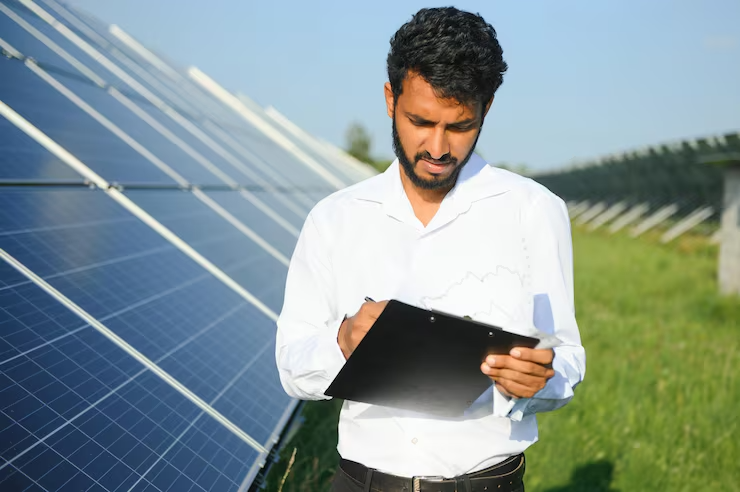
There’s more than solar panels to consider in a solar energy system. A good inversor is behind every efficient photovoltaic solution in order to transform the energy gathered by solar modules into electricity. Without it, no matter how cutting-edge a solar array is, it can’t send power to homes or businesses or the grid.
With the growth of solar power in Chile, it’s now more important than ever to know what an inversor is and how to choose the best one. Residential or commercial, centralised or string inverters are at the heart of any system; they’re responsible for performance, safety and long-term reliability.

What is an Inversor of a Solar Installation
An inversor is a device that transforms the direct current (DC) electricity generated by solar panels into alternating current (AC), used by electrical equipment and also to be injected into powerlines for general use. Straightforward as it may sound, current inverters do more than a pure energy conversion.
Energy Conversion and Grid Synchronization
Solar panels generate DC power. But AC is what homes and businesses use. The inversor makes sure the energy is transformed in a proper and synchronized way to the voltage and frequency of the grid. Good synchronisation enables excess power to be injected into the grid in a safe manner, especially for the grid-connected sites and PMGD projects.
A good inverter will produce consistent output regardless of changing solar production from shading, cloudiness or varying temperatures.
Monitoring and System Optimization
Nowadays, inverters are also intelligent control devices. They monitor energy output, detect any errors and ensure the performance of your technological equipment thanks to MPPT (Maximum Power Point Tracking) technology. This maintains the system’s maximum efficiency zone.
Most high-end models are capable of remote monitoring, which can be a very useful feature that allows the installers and the owners to access performance data and identify any problems before it’s too late.
Kinds of Inversor Solutions towards various applications
The choice of the right inversor is in relation to project size and intentions. Each system does not need to have code deployed in the same way.
String Inverters
Residential and small commercial installations often use string inverters. Definition In this configuration multiple solar panels are wired in series to one inverter.
They provide a reliable and low-cost solution for a systems with high level of self-shading. Setup is simple and upkeep is often consolidated.
Hybrid Inverters
Some hybrid inverters provide on-grid and off-grid features suitable for battery management. This means users can store any surplus solar energy to come back and use later, so you rely less on electricity companies and a grid that’s drawing more from fossil fuels each year.
Hybrid systems are especially useful in unstable grid regions or for customers desiring a secondary source of power generation in case the grid goes down.
Utility-Scale and Distributed Generation Inverters
Larger projects, such as commercial and PMGD plants need more powerful inverter solutions. These systems are able to treat higher volumes while achieving stringent grid requirements.
Efficiency, longevity and added protection features are becoming increasingly important at this scale, where downtime can negatively impact energy production yields and revenues.
Distinguishing Factors to Consider When Choosing an Inversor
Selecting an inverter is more than just matching power. The key to long life and system stability is wise component selection.
Efficiency and Performance Ratings
And there are also various ways to measure conversion efficiency (i.e. how much of that solar energy is usable.) Even small percentage points make for big energy gains over time.
Seek certified test performance results and global benchmarks. Inverters with higher efficiency lead to a better return on investment.
Compatibility with System Design
An inversor has to work with the tension and capacity of the solar panel as well as possible configuration. Oversized or undersized may negatively impact performance, wear and so on.
In Chile, being grid-ready and complying with local regulations are also key for projects. Technical mismatches are minimized by consulting with a professional.
Durability and Environmental Resistance
It’s not unusual for solar installations to be placed in harsh conditions. Electronic components can be affected by silicon working environment of temperature changes, dust floating in the air, humidity and quite some people living near seaside.
Good inverters will be encapsulated and fitted with adequate heat management to cope with the local climate yet keep their efficiency.
After-Sales Service and Long-Term Performance
Solar systems are a decades-long investment, typically designed to last at least 20 years. Customer service: should you have a technical question, warranty claim or need system interrogation they can offer an excellent after sales service that keeps the customer updated.
An extensive dealer base is another benefit to the installer as far as being able to secure compatible equipment rapidly, minimizing downtime and keeping project deadlines as scheduled.
Future Trends in Inversor Technology
The inverter technology advances with development of PV module and energy storage system.
Intelligent grid integration, AI-enabled monitoring and improved cybersecurity are being more important. With Chile adding more renewable energy installations, inverters that support grid stability and distributed energy resources are expected to be even more crucial.
And battery, storage and hybrid systems are likely to become more important as energy users’ quest for independence, including from grid turbulence, is expected to increase.
Conclusion
An inversor is much more than a mere technical component of a solar system. It is the workhorse in determining how efficiently you generate, control and use solar energy.
With knowledge of the various types of inverters, performance trade-offs and supporting structures that are options to consider, system designers and stakeholders can make intelligent decisions that increase both the efficiency and dependability of their systems. Prudent selection, with credible distribution and technical expertise behind it, is going to ensure that solar systems are safe and consistently valuable for a very long time.
