
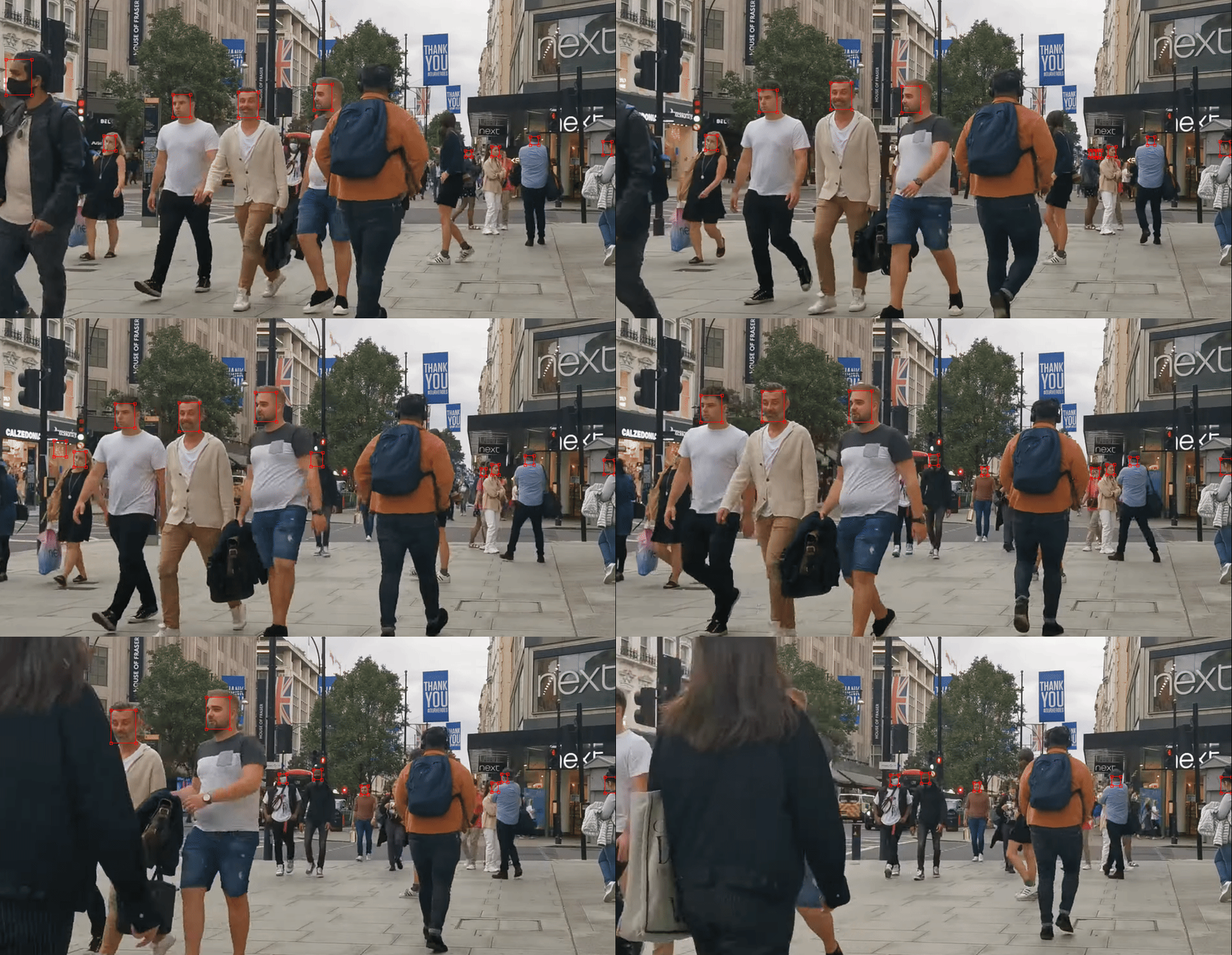
Cognitech has played a key role in advancing the science of forensic video analysis, helping investigators, legal professionals, and analysts uncover visual evidence that might otherwise remain hidden. In a world where video footage is central to investigations and court proceedings, forensic video enhancement provides the tools and methodology needed to extract clarity from compromised or unclear recordings.
What Is Forensic Video Enhancement?
Forensic video enhancement is a specialized, scientific process used to improve the visual quality of video recordings while preserving their evidentiary integrity. Unlike standard video editing, forensic video enhancement follows strict, documented procedures designed to ensure accuracy, repeatability, and legal admissibility.
This discipline focuses on revealing information already present in the footage rather than adding or altering content. Each enhancement step is carefully recorded, making the process transparent and defensible in legal or investigative contexts.
The Importance of Forensic Video Enhancement in Investigations
Video evidence often serves as a silent witness. Surveillance footage, body camera recordings, mobile phone videos, and legacy media can capture critical moments, but poor lighting, motion blur, compression artifacts, or low resolution may obscure vital details.
Forensic video enhancement allows professionals to clarify these recordings so that investigators can better understand events, identify subjects, and establish timelines. In legal settings, enhanced video can provide clearer visual context, supporting testimony and strengthening evidentiary presentations.
Common Challenges in Raw Video Evidence
Many video recordings are not captured under ideal conditions. Environmental factors, outdated equipment, and technical limitations can all reduce video quality. Common issues include excessive noise, color distortion, low contrast, frame instability, and visual obstructions.
Forensic video enhancement addresses these challenges using scientifically validated techniques that respect the original data. The goal is not to create new details but to make existing information more perceptible and understandable.
How Forensic Video Enhancement Works
The forensic video enhancement process begins with careful examination of the original recording. Analysts evaluate the source format, recording conditions, and potential limitations. From there, enhancement techniques are applied selectively and methodically.
These techniques may include noise reduction, contrast adjustment, stabilization, and frame-by-frame analysis. Every action is documented to ensure transparency and reproducibility. This disciplined approach distinguishes forensic video enhancement from conventional video editing and ensures its acceptance in professional and legal environments.
Legal and Ethical Standards in Forensic Video Enhancement
Maintaining authenticity is a cornerstone of forensic video enhancement. Any enhancement must be scientifically justified and fully documented. Courts and investigative bodies require assurance that enhanced footage accurately represents the original content.
Ethical standards demand that analysts avoid subjective interpretation and clearly communicate the limitations of the footage. This commitment to integrity ensures that forensic video enhancement supports justice rather than influencing outcomes unfairly.
Applications Across Multiple Fields
Forensic video enhancement is widely used in law enforcement, legal proceedings, corporate security, and forensic consulting. It supports criminal investigations, civil litigation, internal reviews, and security assessments.
Beyond identification and event clarification, enhanced video can assist with training, expert testimony, and case documentation. As video technology continues to evolve, the need for reliable forensic enhancement grows alongside it.
The Role of Advanced Software in Forensic Video Enhancement
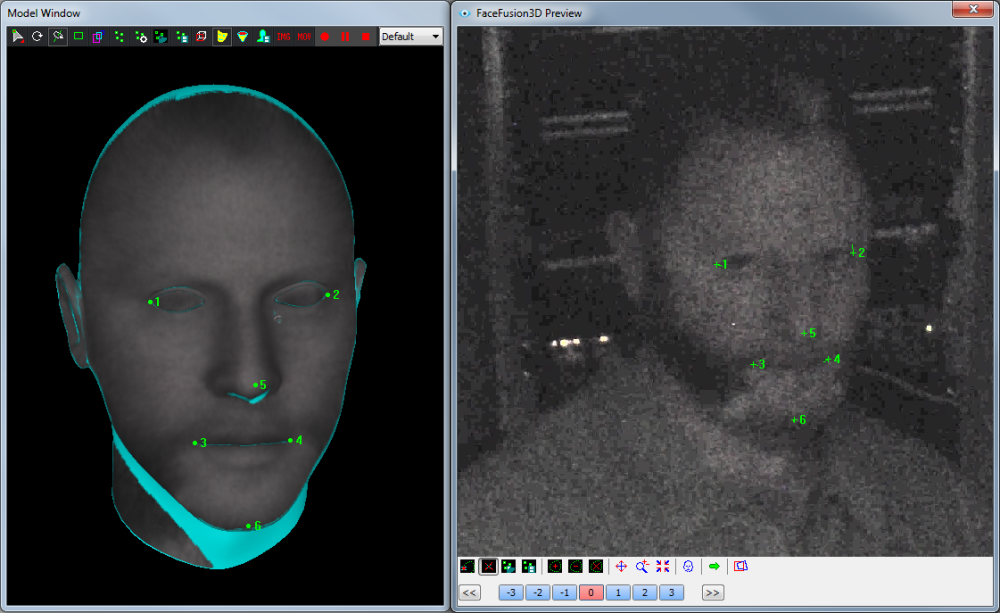
Modern forensic video enhancement relies on advanced software designed specifically for evidentiary work. These tools provide precise control, detailed documentation, and scientifically validated workflows.
In certain cases, related tools such as video redaction software are also used to protect privacy while preserving evidentiary value. When applied correctly, such software complements forensic video enhancement by ensuring sensitive information is handled responsibly without compromising the integrity of the visual evidence.
Why Professional Expertise Matters
Forensic video enhancement is not a one-click solution. It requires technical knowledge, experience, and a deep understanding of both video science and legal standards. Trained professionals know how to balance enhancement with authenticity, ensuring that results are both useful and defensible.
Working with experienced providers ensures that enhanced footage meets professional expectations and can withstand scrutiny in investigative or legal settings.
The Future of Forensic Video Enhancement
As cameras become more prevalent and video data continues to grow, forensic video enhancement will remain a critical discipline. Advances in processing techniques and analytical tools are expanding what is possible, while established forensic principles continue to guide ethical and accurate use.
Organizations that rely on video evidence increasingly recognize the value of scientifically sound enhancement practices. By investing in proper methodologies and expertise, they can uncover visual truths with confidence.
Conclusion
Forensic video enhancement bridges the gap between raw footage and meaningful visual evidence. By applying scientific rigor, ethical standards, and advanced technology, it transforms unclear recordings into clearer visual insights without compromising authenticity.
Whether used in investigations, legal proceedings, or security analysis, forensic video enhancement plays a vital role in revealing hidden visual truths and supporting informed, evidence-based decisions.
