
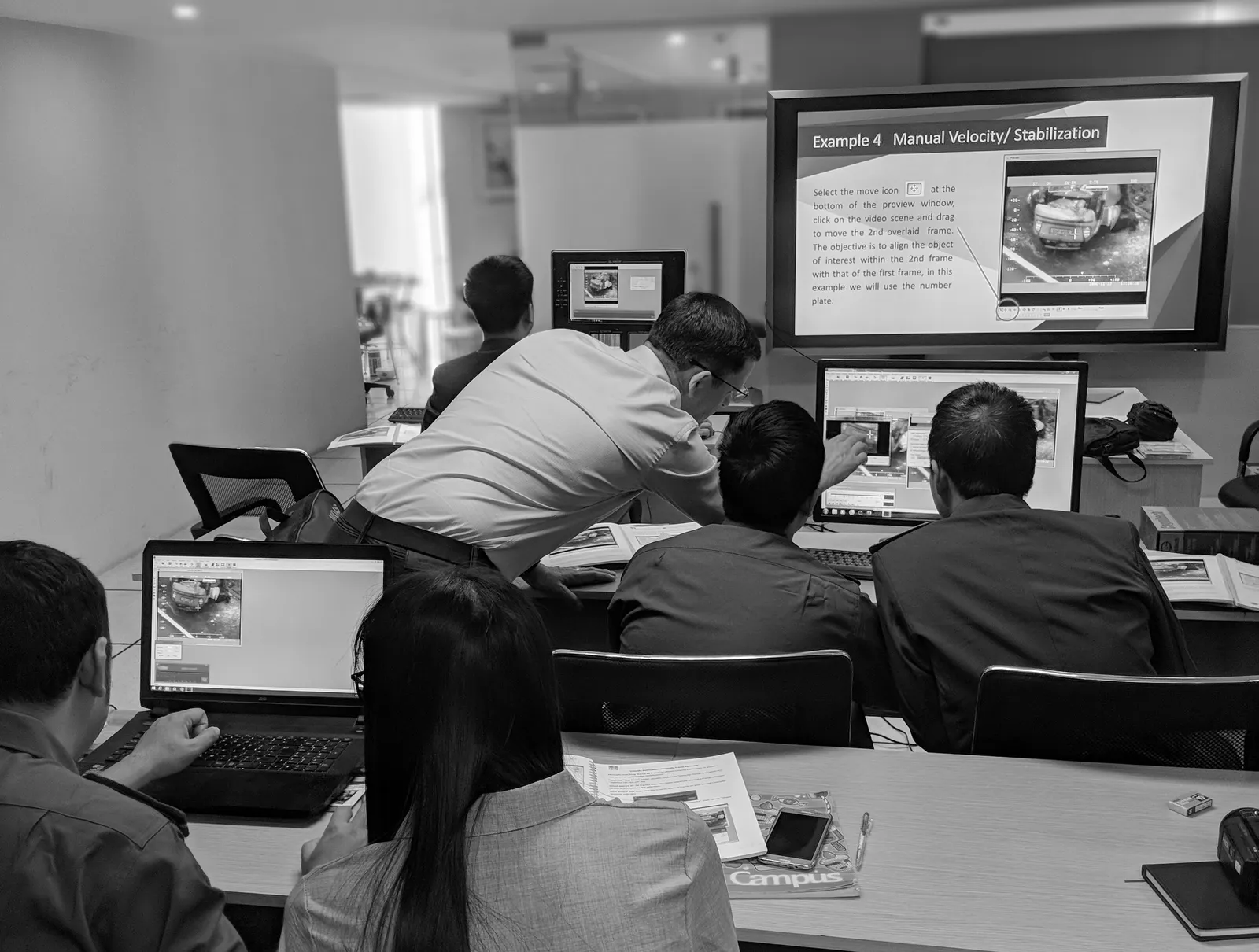
Ask any experienced investigator and they’ll tell you the same thing: evidence only matters if you can actually make sense of it. That’s the whole point behind Digital Forensics Tools, really. They take hours of raw CCTV footage or scattered multimedia files and turn them into something a court can actually use. And as crime itself gets more digital, these tools aren’t optional anymore, they’re the backbone of the job.
Daetech Systems has spent years quietly building forensic workstations and software that police departments actually rely on day to day. Their work with forces like Dorset Police, Devon and Cornwall, and West Mercia gives a pretty good picture of what digital forensics tools look like in practice. Nothing flashy, just officers converting CCTV clips into formats that hold up in court, without the usual delays.
Why Digital Forensics Tools Actually Matter Here
Nearly every investigation these days touches some kind of digital evidence, whether that’s CCTV, a mobile phone, or old broadcast footage nobody thought to check. Someone still has to sort through all of it though, and doing that by hand just isn’t realistic anymore. So Crime Scene Forensics tools step in, taking messy raw footage and turning it into something clean and usable.
Take the DMV, or Digital Media Viewer, as an example. It first rolled out through Dorset Police back in 2013, and it’s since spread across several other UK forces. Officers use it to scroll through different CCTV formats, pull still images, and grab short clips when needed. It’s had plenty of updates over the years too, including better player support and mp4 capture, so it hasn’t gone stale the way older software sometimes does.
Where These Tools Actually Get Used Around The World
It’s not just a UK thing either. Daetech has shipped advanced forensic workstations out to Indonesia, Vietnam, and Saudi Arabia, helping those police departments build up their own investigative capabilities. Indonesia alone has taken delivery of more than 25 systems at this point, with more arriving regularly to cover its many islands.
A Few Places Where These Tools Come In Handy
- Reviewing and cleaning up CCTV footage for active cases
- Preparing multimedia evidence so it’s ready for court
- Supporting facial recognition work when identification is needed
- Helping with photogrammetry and measuring scenes accurately
- Letting officers handle evidence remotely, even off grid
Vietnam has kept expanding its MIDAS setup too, a portable unit built specifically for investigating crime caught on camera. These units run on WiFi, 4G, and battery power, so officers aren’t stuck waiting for a wall socket or a stable internet line before they can get to work.
Cognitech Tri Suite And What It Brings To The Table

A lot of the forensic workstations Daetech supplies run on Cognitech Tri Suite underneath. It bundles together a few different tools, Video Active for capture and camera calibration, Video Investigator for actually processing the images, and Automeasure for working out scene measurements. Put together, it gives investigators pretty much everything they need without jumping between separate programs.
Worth mentioning too, Cognitech picked up an Information Security Seal of Approval from the Executive Office of US Attorneys, after the DOJ IT Taskforce put it through a proper review. That’s not a badge handed out casually, and it says a fair bit about how much trust serious investigative bodies place in this software.
How Training Actually Fits Into All This
- Officers get walked through portable retrieval systems step by step
- Teams learn the evidence management software hands on
- Departments spend time understanding what the forensic software can really do
- Follow up sessions cover whatever’s changed or been updated
- Support keeps going remotely when travel just isn’t possible
During the pandemic, Daetech ran private online classes for departments within the Vietnamese police, covering portable retrieval kit and evidence software. Nobody had to wait around for travel restrictions to lift before training could continue, which honestly made a real difference.
Cloud Access Changed Things Quite A Bit
More recently, Cognitech rolled out My Cognitech Cloud, a subscription service that lets investigators tap into forensic video enhancement software from pretty much anywhere. Upload the data, run the processing, download the finished files, all without needing a workstation physically on site. Once the job’s done, nothing stays stored on the cloud either, which keeps things tight from a security standpoint.
That matters more than it might sound. A smaller department without its own dedicated workstation can still get the same processing power as a bigger force, which honestly levels things out a bit.
Backing Some Genuinely High Stakes Cases
One of the clearest examples of this kind of support in action is Operation Resolve, the investigation into the Hillsborough disaster. Daetech won that contract back in 2013 and has stuck with it ever since, supplying equipment for collating, viewing, processing, and analysing CCTV and broadcast footage. Years later, as things moved toward criminal trials, that multimedia evidence mattered just as much as it did on day one.
That kind of long haul involvement says something important too. These tools aren’t a one off purchase you forget about, they need ongoing updates and steady support to stay useful across cases that can run for years.
Final Thoughts
As investigations keep leaning more on digital and visual evidence, the tools behind that work are only going to matter more. From everyday CCTV playback used by UK forces to portable off grid kits deployed overseas, forensic technology keeps adjusting to whatever the job actually needs. Whether it’s routine casework or a major investigation stretching on for years, solid tools genuinely change how quickly and how accurately justice gets served.
